How Much Tractor HP Do I Need? Acreage, Soil, Implements
Aglist Editorial · Published 10 Aug 2026 · Last updated 23 Sep 2026
Your heaviest implement decides your horsepower, not your acreage. Here are the real HP ratings implement makers publish, why 98% of Indian buyers stay under 50 HP, and when going bigger is genuinely worth it.
Start at the wrong end and you will overpay. Most buyers begin with acreage: ten acres, so 50 HP. That is backwards. A tractor's horsepower requirement is set by the single heaviest thing it has to pull or drive, on the worst soil you own, in the worst condition you work in. Everything else is comfort.
Step one: name your heaviest implement
Implement makers publish an HP requirement, and it is the most honest number in this entire industry because a manufacturer who under-rates it gets a warranty claim. These are the ratings on implements we list:
- 5 ft rotavator: 40-45 HP
- 6 ft rotavator: 45-50 HP for one make, 50-65 HP for a heavier build
- 9-tyne cultivator: 40-45 HP
- 2-bottom MB plough: 45-60 HP
- Post hole digger: 40-45 HP
- Multi-crop thresher: 35-55 HP
- Round straw baler: 25-50 HP
- 5-tonne hydraulic tipping trolley: 50-70 HP
- Boom sprayer: 50-70 HP
- Potato planter: 55-60 HP
- Happy Seeder: 50-60 HP
- 7 ft offset disc harrow: 60-70 HP
- Super Seeder: 65-75 HP
- Laser land leveller: 90-105 HP
Read that list once and the picture changes. A rotavator and a cultivator, which is what most farms actually run, sit comfortably inside 40-50 HP. What pushes people upward is not tillage at all. It is trolley haulage, residue drilling and hired-out contract work.
Step two: understand PTO HP, because that is what your implement sees
Engine HP is a marketing number. PTO HP is what reaches your rotavator. The gap between them is transmission loss and it varies a lot by model.
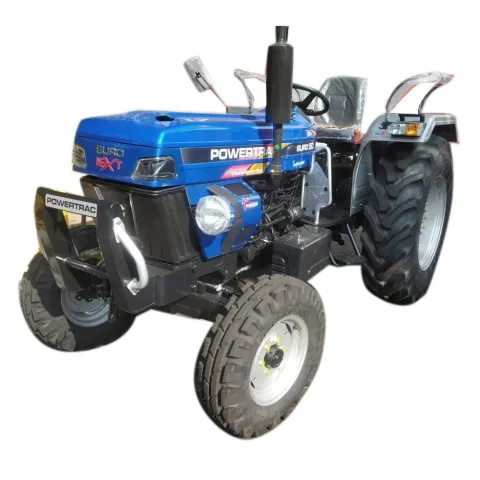
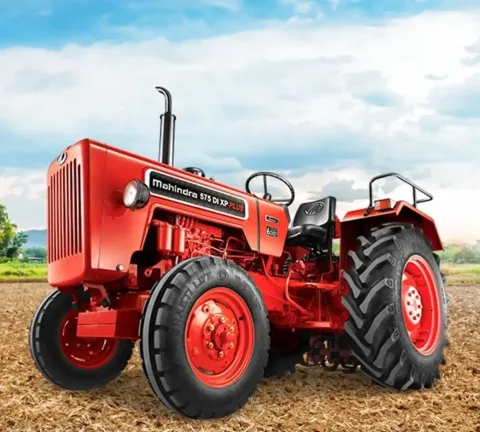
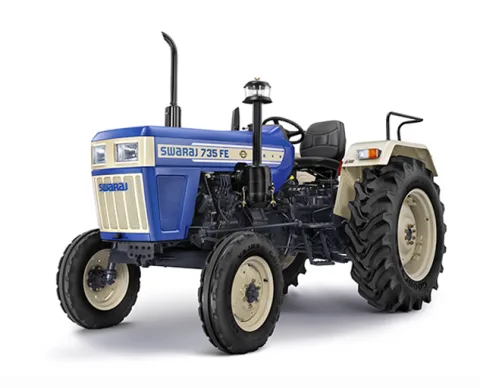
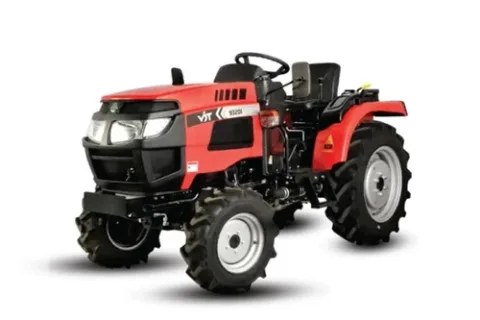
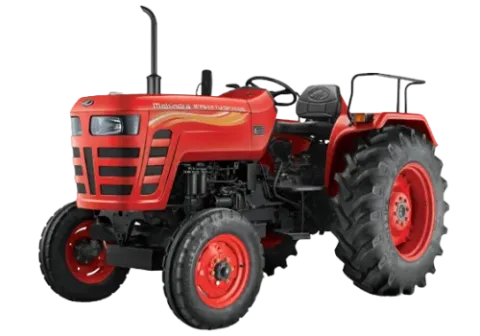
Look at the spread on machines we list. The Powertrac Euro 50 makes 50 engine HP and 45.6 at the PTO, losing under 9%. The Mahindra 575 DI XP Plus is 47 HP and 42 PTO HP. The Swaraj 735 FE is 40 HP and 32.6 PTO HP, an 18% drop. The VST Shakti 932 DI is 32 HP and 24 PTO HP, a 25% drop.
So a 40 HP tractor is not automatically enough for a 40-45 HP rotavator. Ask for the PTO figure, in writing, before you sign. Two machines with the same badge horsepower can be a full implement class apart at the shaft.
Step three: soil and condition
The same implement takes different power in different ground.
- Light sandy and arid soils, like much of Rajasthan, need less draft per acre. Rajasthan has some of the largest holdings in India by area and still buys mainly in the 35-50 HP range.
- Black cotton soil in MP and Maharashtra is heavy when moist and sets like concrete when dry. Same rotavator, more power needed.
- Heavy alluvium in Punjab and Haryana, worked deep for a wheat-paddy rotation, is the highest-draft farming in the country.
- Wet puddled fields need very little draft but need weight and grip instead, which is a different problem entirely. Our paddy and puddling guide covers it.
The second ceiling nobody checks: hydraulic lift
Horsepower gets you through the field. Lift capacity gets the implement off the ground at the headland, and it is a separate limit that buyers routinely ignore. The spread on our listings is wide: the Massey Ferguson 1035 DI is rated at 1,100 kg, the Mahindra 275 DI TU at 1,200 kg, the Force Balwan 500 at 1,450 kg, and the Farmtrac 60 Powermaxx 4WD at 2,500 kg.
Before you buy, ask the implement dealer for the implement's actual weight and compare it against the tractor's rated lift. A heavy mounted rotavator or a two-bottom plough on a tractor with marginal lift will work, but you will be nursing the hydraulics every time you turn.
What Indian buyers actually do
FY2025-26 was the first million-plus year for Indian tractors: 11,60,231 units wholesale, up 23.47% year on year, helped by the September 2025 GST cut from 12% to 5% and a good monsoon.
Within that, the market is concentrated at the bottom. VAHAN-based retail data for FY26 puts below-50 HP at 10,11,431 units against 19,464 units above 50 HP, which is a 98% / 2% split. That 2% figure deserves a caveat: it partly reflects how above-50 HP TREM-IV models are classified in VAHAN rather than pure engine output, so treat it as directional rather than exact. The trend inside the sub-50 HP pool is not in doubt though. The 41-50 HP band has grown from under half the market in FY19 to close to two-thirds by FY26, eating directly into 31-40 HP.
So when a dealer tells you "everyone is buying 50 HP now", he is broadly right about the direction. That does not make it right for your farm.
Why buyers keep over-buying horsepower
Four reasons, and only one of them is about farming.
Resale. There is a widespread belief that a bigger tractor holds value better. Sometimes true, but you are paying interest for years on capital you will only partially recover.
Trolley work. This is the honest one. Haulage, not tillage, is what most Indian tractors do outside the season, and a loaded trolley wants weight and brakes. A 5-tonne hydraulic trolley is rated 50-70 HP.
Contract hiring. If neighbours will pay you to plough or thresh, a bigger machine earns. That is a business decision with a payback period, and it should be written down before purchase.
Dealer economics and one-machine thinking. Larger models carry more margin, and buyers want one tractor that can do anything they might ever need. That instinct costs real money.
When bigger is genuinely justified
- You own residue-management equipment. A Super Seeder at 65-75 HP simply will not work on a 50 HP tractor.
- You run a laser leveller, which needs 90-105 HP, or you hire one and need to pull it.
- You haul heavy loaded trolleys over distance, particularly on cane runs to a mill. See our sugarcane guide.
- You are setting up a Custom Hiring Centre. The 2024 CRM guidelines added an 80% subsidy on 60 HP and above tractors for CHCs, which changes the arithmetic completely. Details in our subsidy guide.
A practical shortlist by band
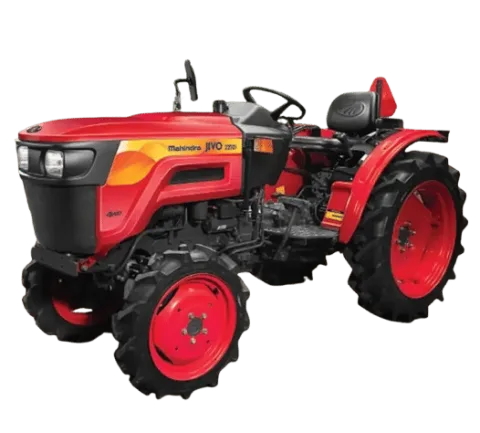
- Up to 30 HP: orchards, vineyards, inter-row work, very small plots. The Mahindra JIVO 225 DI and Swaraj 724 XM sit here.
- 31-40 HP: small holdings, rotavator and cultivator work, light haulage. Swaraj 735 FE, Mahindra 275 DI TU.
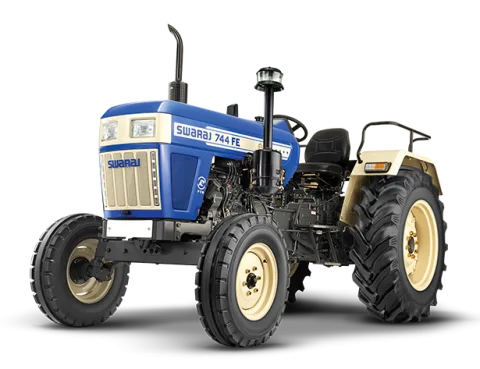
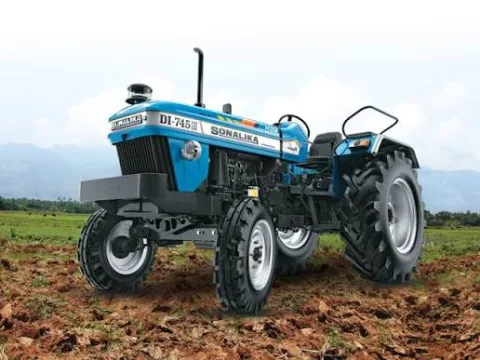
- 41-50 HP: the mainstream. Mahindra 575 DI XP Plus, Swaraj 744 FE, Sonalika 745 DI III Sikander, Eicher 485.
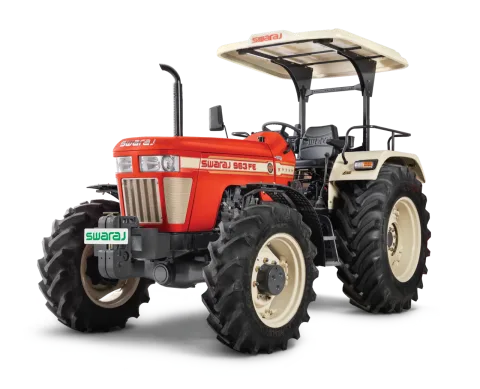
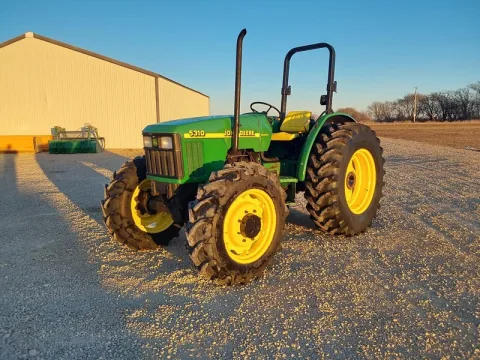
- 51-60 HP: residue drilling, heavy haulage, contract work. Swaraj 963 FE, John Deere 5310.
One last check before you commit. Whatever HP you land on, the price you were quoted is almost certainly ex-showroom. Work out the full cost of getting it onto your field with our RTO and on-road charges guide and the real cost of borrowing in our tractor loan and EMI guide before the HP argument decides anything.