Shaktiman6.7/10
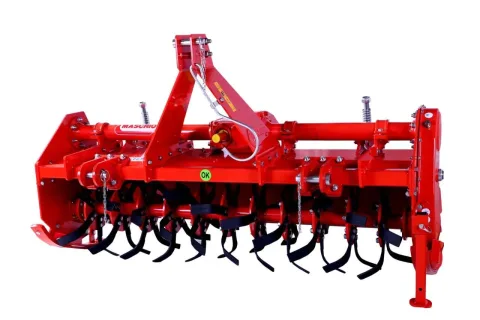
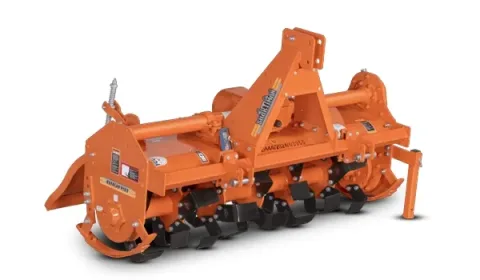
Shaktiman Regular Plus Series (RP 185 / 6 ft)
₹ 0.93 Lakh – ₹ 1.25 Lakh ex-showroom
An implement that does not match your tractor is money burnt twice: once at purchase, and again in diesel and clutch wear every time you use it. Every implement listed here carries a required-HP band, and that band is the first thing to read — a 6-foot rotavator rated 50 to 65 HP will not work properly behind a 42 HP tractor no matter what the salesman says. The range below runs from a ₹21,000 nine-tyne cultivator to a ₹8.83 lakh disc harrow, and covers tillage, sowing, residue management, spraying, planting and haulage. Check the hydraulic lift capacity of your tractor too; on mounted implements that is often the real limit rather than engine power.
Showing 16 of 16
₹ 0.93 Lakh – ₹ 1.25 Lakh ex-showroom
₹ 1.17 Lakh ex-showroom
₹ 1.2 Lakh ex-showroom
₹ 0.21 Lakh ex-showroom
₹ 1.53 Lakh – ₹ 8.83 Lakh ex-showroom
₹ 0.32 Lakh – ₹ 0.47 Lakh ex-showroom
₹ 1.83 Lakh – ₹ 2.83 Lakh ex-showroom
₹ 1.95 Lakh – ₹ 2.82 Lakh ex-showroom
₹ 0.68 Lakh – ₹ 1.39 Lakh ex-showroom
₹ 3.76 Lakh – ₹ 4.53 Lakh ex-showroom
₹ 1.58 Lakh – ₹ 2.53 Lakh ex-showroom
₹ 2.5 Lakh – ₹ 3.24 Lakh ex-showroom
₹ 1.58 Lakh – ₹ 2.16 Lakh ex-showroom
₹ 4 Lakh – ₹ 5.5 Lakh ex-showroom
₹ 3.25 Lakh – ₹ 3.68 Lakh ex-showroom
₹ 2.1 Lakh – ₹ 2.7 Lakh ex-showroom
Every mounted implement has two requirements: enough PTO power to drive it, and enough hydraulic lift to carry it at the headland. Buyers usually check the first and forget the second, then find their linkage sagging under a rotary tiller.
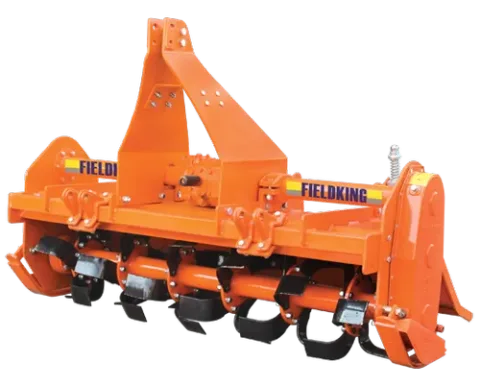
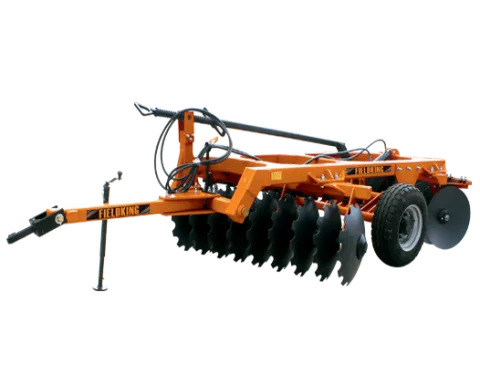
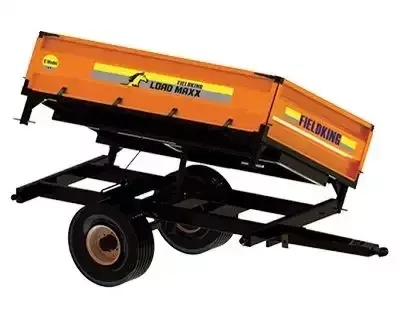
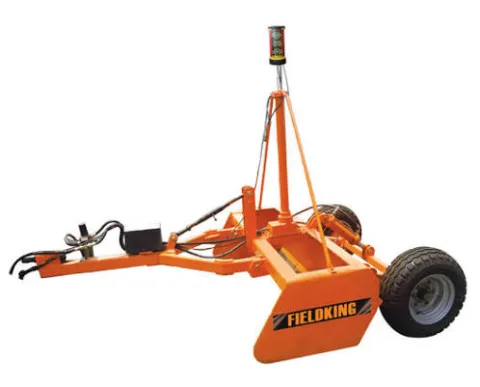
A rough guide from the products listed here. A 5-foot rotavator like the Maschio Gaspardo Virat Plus 165 wants 40 to 45 HP. A 6-foot rotavator, whether the Shaktiman RP 185 or Fieldking FKRTSG 175, wants 45 to 65 HP depending on build. A two-bottom MB plough needs 45 to 60 HP. A 7-foot disc harrow wants 60 to 70 HP. A 5-tonne hydraulic trolley needs 50 to 70 HP. A laser land leveller at nearly 10 feet wide asks 90 to 105 HP, which is outside what almost any individual Indian farmer owns.
Since about 98% of Indian tractors are under 50 HP and two-thirds sit in the 41 to 50 HP band, most buyers should be shopping in the 5 to 6-foot tillage range and treating anything requiring 65 HP or more as a contractor's tool.
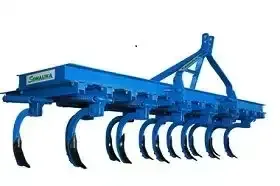
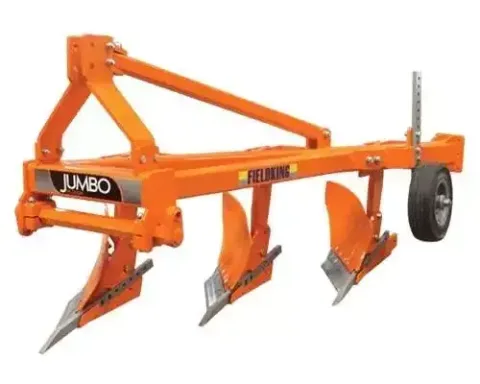
An MB plough inverts the soil, buries residue and breaks a hard pan. It is a once-a-season primary tillage tool, not something you run repeatedly. A cultivator, like the ₹21,000 Sonalika nine-tyne, loosens without inverting and is the everyday secondary tillage implement. A disc harrow cuts through trash and clods and is the choice on heavy or stubble-covered ground. A rotavator does the work of several passes in one, producing a fine seedbed, but it costs more fuel per acre and used repeatedly it can smear a plough pan.
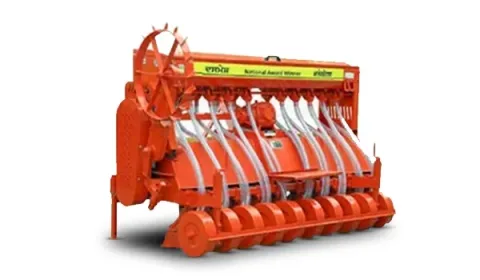
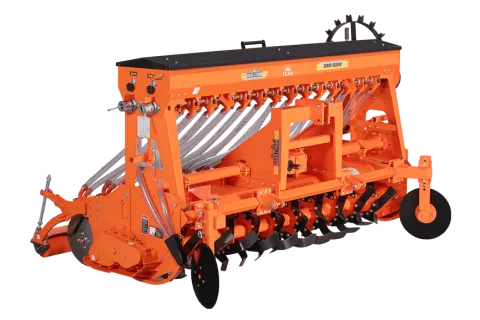
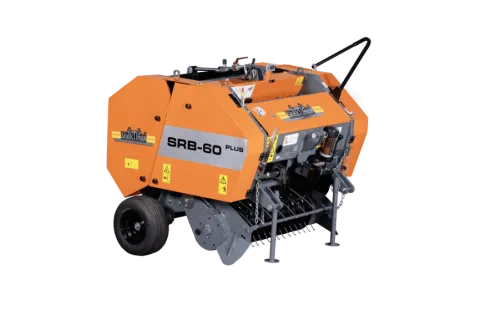
Stubble burning is restricted in Punjab and Haryana, and the machinery that replaces it has a return. A Happy Seeder such as the Dasmesh 610 at ₹1.58 lakh sows wheat through paddy stubble; a Super Seeder like the Shaktiman 8 incorporates residue while sowing. Balers and straw reapers turn residue into saleable fodder instead.
Weigh the implement against your tractor's lift figure, confirm the PTO speed it needs, and ask whether spares — blades, tynes, discs, shear bolts — are stocked locally. A rotavator with no blade supply within 60 km is a rotavator that stops at the wrong time of year.
Between 45 and 65 HP depending on the model. The Fieldking FKRTSG 175 is rated 45 to 50 HP while the heavier Shaktiman RP 185 wants 50 to 65 HP. If your tractor sits at 42 to 45 HP, a 5-foot unit will finish the pass faster and use less diesel than a 6-foot one being dragged.
A cultivator, then an MB plough or a rotavator depending on your soil. A nine-tyne cultivator costs around ₹21,000 and covers secondary tillage all season. An MB plough at ₹32,000 to ₹47,000 handles primary tillage. A rotavator is more expensive but replaces several passes with one, which matters when the sowing window is short.
A cultivator is a pulled tool with tynes that loosen soil without inverting it, cheap to buy and light on fuel. A rotavator is PTO-driven with rotating blades that chop and mix, producing a ready seedbed in one pass. The rotavator saves time but costs more per acre in diesel and needs more PTO power.
You can attach it, but you should not run it. An oversized implement pulls the engine below its working range, overheats the clutch, slows the job and burns extra diesel for less output. It also risks the hydraulics if the implement weight exceeds your tractor's rated lift. Buy to your PTO and lift figures.