Rotavator vs Cultivator: Which One Should You Buy?
Aglist Editorial · Published 18 Aug 2026 · Last updated 23 Sep 2026
They are not competing products. One opens and stirs soil by draft, the other chops and mixes it with engine power. Soil type, crop residue, number of passes, HP needed and a five-fold price gap decide which you need.
The question gets asked as if these are two versions of the same tool. They are not. A cultivator opens soil by being dragged through it. A rotavator cuts and mixes soil using engine power fed through the PTO. Different job, different result, different bill.
What each one is actually doing
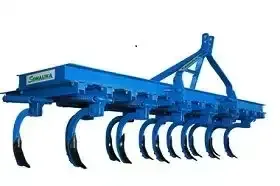
A cultivator is a frame of spring or rigid tynes. You pull it, the tynes shatter and lift soil, weeds get uprooted and left on the surface to dry, and air gets into the profile. The Sonalika 9-tyne cultivator is a typical example: a 75 x 40 channel frame with forged tynes, rated for 40-45 HP tractors. It leaves a rough surface with clods.
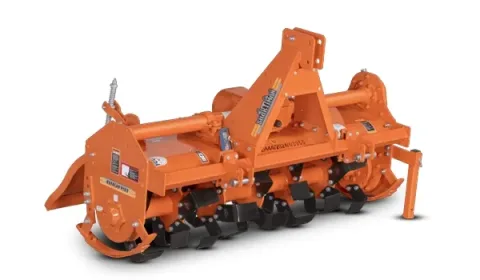
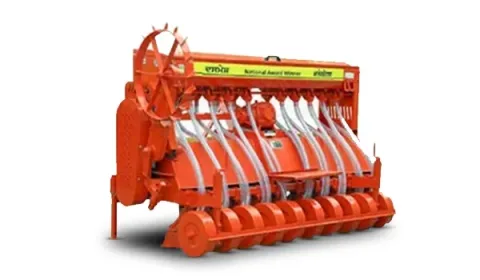
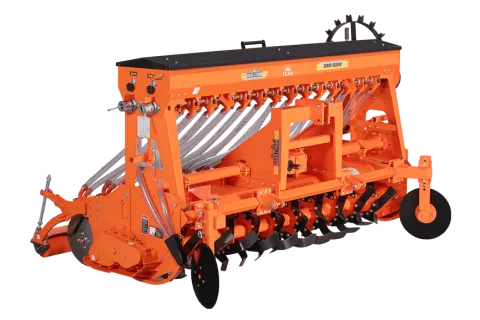
A rotavator is a powered rotor carrying L, C or J-profile blades that turn at high speed inside a hood. The Shaktiman Regular Plus runs its rotor at 193-236 rpm with the PTO at 540, working up to 140-203 mm deep across 1,881 mm. It does not shatter soil, it slices and throws it, and what comes out behind is a fine, level seedbed with residue chopped into it.
That distinction decides everything else.
The residue question, which is usually the real question
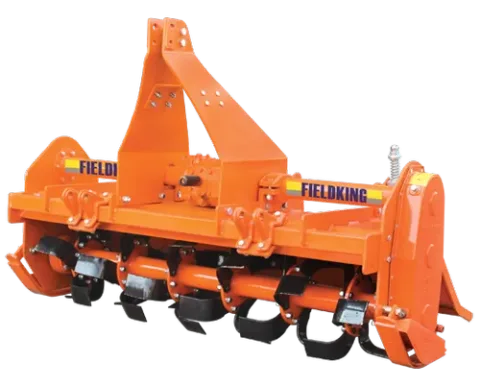
If your field has standing stubble, green manure or heavy weed growth, a cultivator will fight you. Tynes drag trash into balls, the frame blocks, and you spend the morning clearing it by hand. A rotavator chops that residue and incorporates it in the same pass. The Fieldking FKRTSG-175 even offers three blade profiles — L, C and J — specifically for dry, wet and trashy fields.
If your field is clean, that advantage disappears and you are paying for it anyway.
Worth knowing before you buy for residue reasons: in Punjab, Haryana, Uttar Pradesh, Madhya Pradesh and Delhi, the Crop Residue Management scheme gives individual farmers 50% assistance on residue machinery and Custom Hiring Centres up to 80%, and rotavators are on the eligible list along with the Dasmesh 610 Happy Seeder and the Shaktiman Super Seeder. If your reason for buying a rotavator is paddy stubble before wheat, look hard at a Happy Seeder or Super Seeder first — they sow and manage residue in one pass instead of just burying it.
Soil
Black cotton soil. Dry, it sets like concrete and a rotavator's blades take a beating for slow progress. Open it with a MB plough or a heavy cultivator first, let it weather, then use the rotavator for finishing if you need a fine bed. Rotavating black soil at the wrong moisture makes a hard pan under the working depth.
Sandy and light loam. Both work. A cultivator plus a planker is usually enough and much cheaper.
Wet paddy fields. The rotavator wins outright. Puddling with a rotavator is its own standard operation across the rice belt, and a cultivator cannot do it.
Trashy and green-manured fields. Rotavator, for the reason above.
Passes, time and what each pass costs
For a wheat seedbed, most farmers run a cultivator two or three times, often across the field in different directions, and then a planker. A rotavator will normally get the same seedbed in one or two passes. That is the rotavator's real argument: fewer passes, less time, faster turnaround between harvest and sowing.
But per pass, the rotavator is the expensive machine. It works at PTO speed with the engine near rated load for the whole run, and it covers less ground per hour than a cultivator of the same nominal width because its forward speed is much lower.
We will not publish a litres-per-acre figure for either. Nobody can source one honestly for your soil and your tractor. Do the arithmetic yourself: time one acre of each operation on your own field, multiply by your own hourly diesel burn, and you have a real per-acre cost in an afternoon. Our mileage guide explains why the number moves so much between farms.
What is safe to say: a cultivator pass is cheaper than a rotavator pass, and three cultivator passes are not automatically cheaper than one rotavator pass. Count passes and clock hours, not intuition.
HP required, and why feet alone will not tell you
This is the trap. Two 6 ft rotavators can need very different tractors.
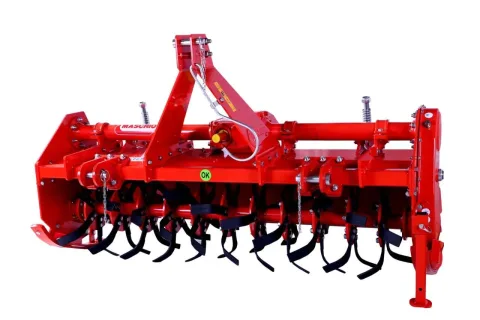
- Maschio Gaspardo Virat Plus 165 — 5 ft, 1,650 mm width, 220 mm working depth, 415 kg, rated for 40-45 HP
- Fieldking FKRTSG-175 — 6 ft, 1,750 mm width, 440 kg, rated for 45-50 HP
- Shaktiman Regular Plus — 6 ft class, 1,881 mm width, 447 kg, rated for 50-65 HP
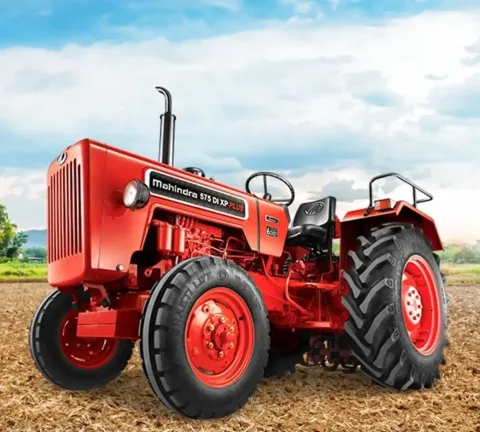
Same nominal size class, and a 20 HP spread between the lightest and the heaviest requirement. Blade count, rotor mass and gearbox rating change the demand. Always buy to the maker's HP rating, not to the number of feet. A Mahindra 575 DI XP Plus at 47 HP with 42 PTO HP handles the Fieldking comfortably and is at the bottom edge for the Shaktiman.
Cultivators are far less fussy. A 9-tyne cultivator for 40-45 HP will work behind most mid-range tractors, and you can remove tynes if your tractor is struggling. You cannot remove blades from a rotavator to make it fit.
Price, honestly stated
The Sonalika 9-tyne cultivator is about ₹21,000. The cultivator category on the major portals starts around ₹12,999 for a 7-tyne rigid unit suited to 30-55 HP tractors.
The rotavators above are ₹93,000 to ₹1.25 lakh. That is roughly five times the cultivator, sometimes more.
Add the running side. Rotavator blades are wearing parts and get replaced; cultivator tynes and shovels last far longer and cost far less to replace. The rotavator has a gearbox and a PTO shaft with universal joints, all of which need attention. A cultivator is a welded frame with springs.
One genuine piece of good news on cost: since September 2025, GST on soil preparation machinery sits at 5%, down from 12%.
So which one
Buy a cultivator first, always. It is the most commonly owned implement on Indian farms after the trolley, it fits nearly any tractor, and at ₹21,000 it is not a decision that needs a loan. If you own one implement, own this.
Add a rotavator if you puddle for paddy, you have residue or green manure to incorporate every season, you grow potato or vegetables that need a fine tilth, or your window between harvest and sowing is genuinely tight.
Skip the rotavator if your fields are clean, your soil is light, and you are simply following what the neighbour bought. Three cultivator passes on a clean sandy field will make a perfectly good seedbed for a fifth of the capital.
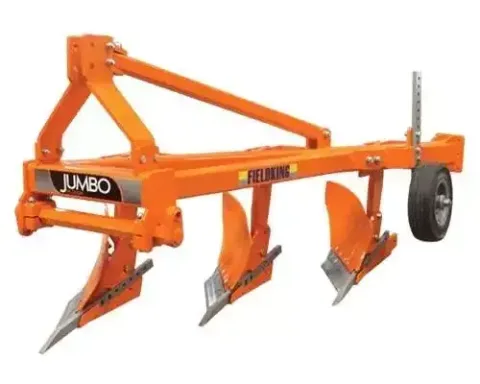
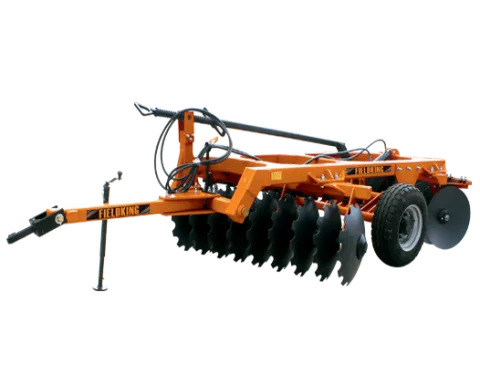
Do not treat either as a plough. Neither inverts soil. If you need to bury weeds and manure deep or break a pan, that is an MB plough at 45-60 HP or a disc harrow at 60-70 HP, and both work with a cultivator rather than instead of one.
One last caution that no dealer will offer you. Rotavating the same field to the same depth, season after season, builds a compacted layer just below the blades and breaks down soil structure over time. Vary your depth, and let a plough or a deep cultivator go below the rotavator's pan every few seasons. If you are still working out what fits your tractor's lift and linkage, read our implement matching guide next.