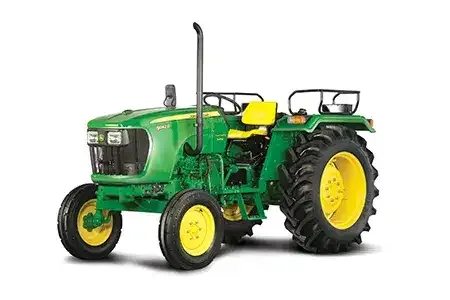
Tractor · 41–50 HP
John Deere 5045D PowerPro 2WD Price October 2026
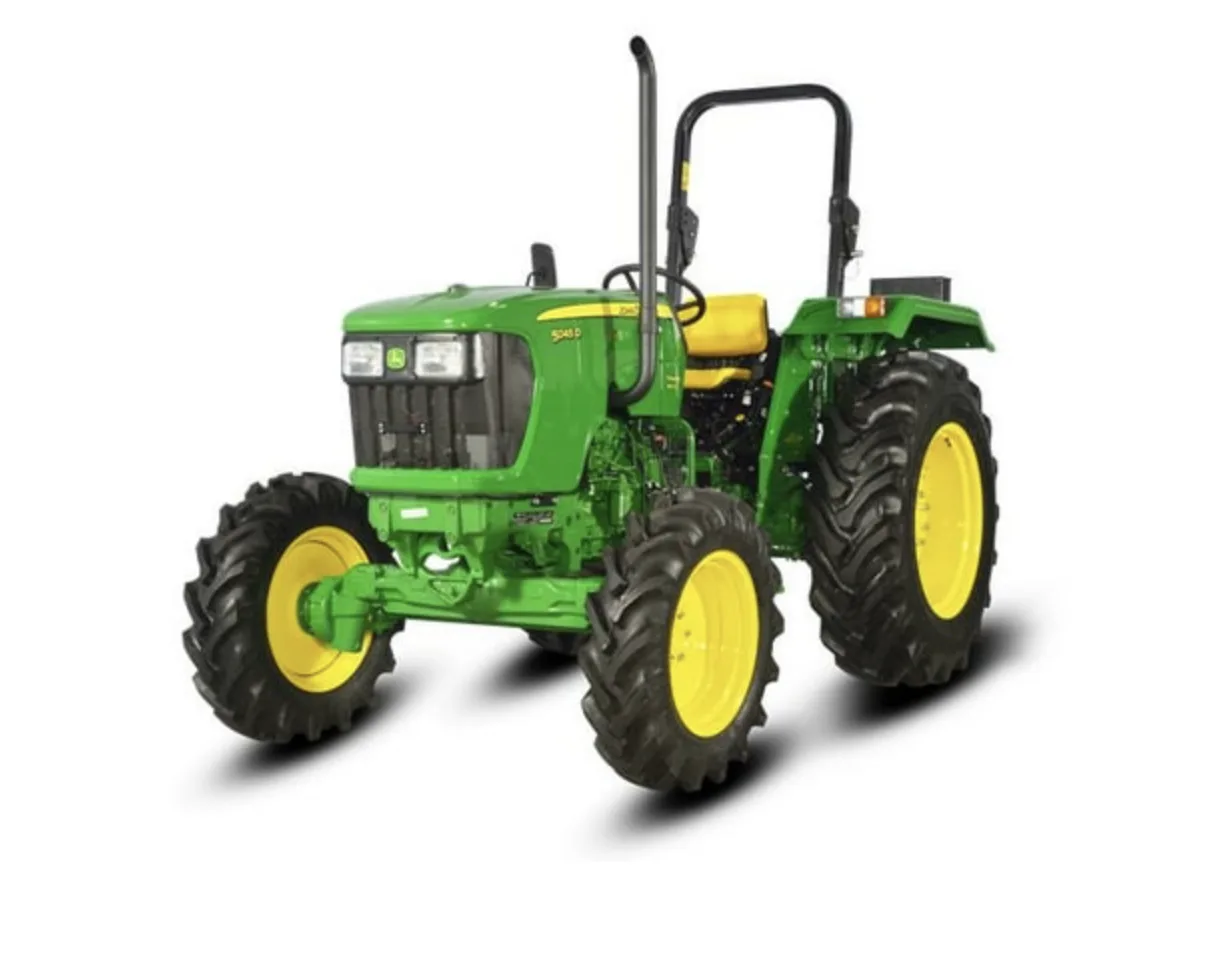
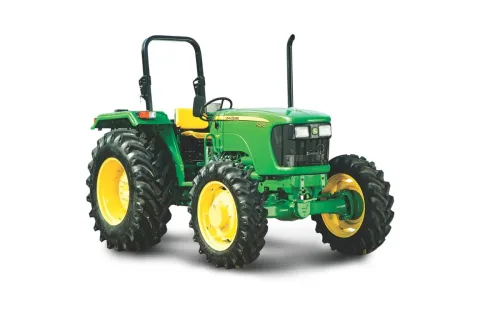
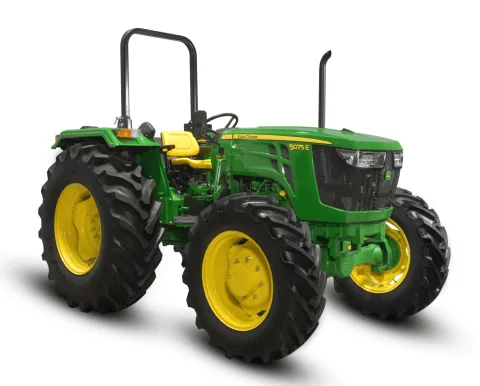
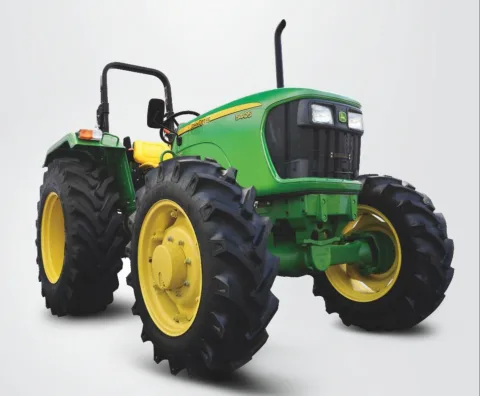
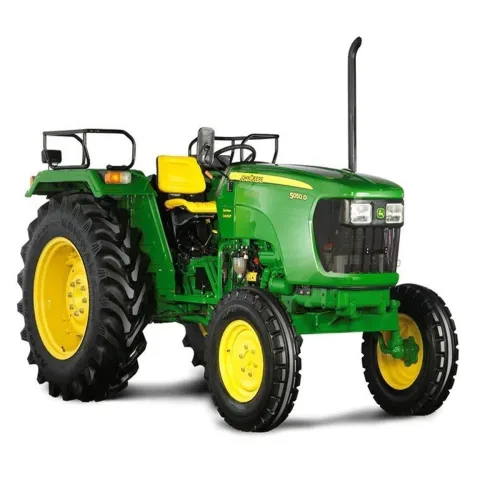
Buying a John Deere 5045D starts with identifying which 5045D the dealer is quoting. This review covers the Indian PowerPro 2WD with the 8F/4R transmission. It does not assign the equipment of the 4WD puddling version or the differently named GearPro/LiftPro version to this tractor.
The core package
The John Deere India specification identifies a naturally aspirated, three-cylinder engine rated at 46 HP at 2,100 rpm, collarshift transmission, a 60-litre tank, power steering and oil-immersed disc brakes. Published maximum hydraulic lift is 1,600 kgf. Clutch choice is listed as single/dual. Confirm the build being offered rather than treating that slash as a single guaranteed configuration.
Is it a worthwhile step up for existing equipment?
If you are moving from a smaller tractor while keeping a seed drill, cultivator or rotary tiller, start with the task that currently limits output. Is it wheel slip, difficulty maintaining the required working speed, an unsuitable attachment, or time lost turning and adjusting? Each problem calls for a different comparison. Buying a larger engine badge without identifying the constraint can leave the same bottleneck in place.
Prepare a dealer trial around one representative job. Specify the attachment, depth, field condition and finish you want, and ask the operator to explain the chosen gear. Compare both tractors under the same conditions. Any fuel comparison needs a documented measurement over comparable completed work; this review does not claim a litres-per-hour or litres-per-acre result.
PTO work and headland routine
Before accepting a quotation for threshing, spraying or rotary cultivation, check the implement's input-speed requirement and the tractor controls provided. Ask the dealer to explain how the selected clutch and PTO arrangement behaves when forward travel stops. This matters more than an equipment list that merely says “dual”.
Include frequent headland turns in the demonstration. Check visibility to the rear, comfortable access to the lift controls and room for the attachment to turn. Our implement selection guide helps organise the information to bring to that discussion. Implement width should not be chosen solely from the tractor's horsepower.
When to compare another version
If the main job is wet-field puddling, compare the appropriate 4WD configuration in the actual conditions instead of applying this 2WD review to it. If a particular operation requires a ground speed that the demonstrated transmission cannot provide comfortably, compare gearbox options before considering more power. Neither change should be made simply because a neighbouring farm bought a higher specification.
A smaller field entrance, narrow village approach or crowded storage shed also deserves a physical check. Use measurements of the tractor and attachment being supplied, including optional equipment, rather than relying on an unqualified family-level dimension.
Make the quotation comparable
Ask for the complete model designation, drive type, clutch, tyre sizes, hydraulic outlets and protection equipment on the written quote. Request the ex-showroom price in rupees separately from accessories and on-road charges. A finance instalment is not the total ownership cost; compare the full written purchase terms without assuming a subsidy or promotional rate applies.
Before delivery, request an explanation of daily checks and the version-specific service schedule. Our tractor maintenance guide is a planning aid, while the supplied operator manual governs intervals and procedures.